Essential Information for Effective Bed Bug Pest Control
Proper pest management for bed bugs necessitates a comprehensive understanding of their behavior and patterns. Identifying signs of an infestation is essential for early intervention. Proactive precautions can significantly lower the likelihood of an outbreak. Although DIY approaches are popular, professional treatments tend to deliver more reliable outcomes. Recognizing the complexities of treatment success can significantly impact outcomes. What strategies can one implement to guarantee lasting success against these persistent pests?
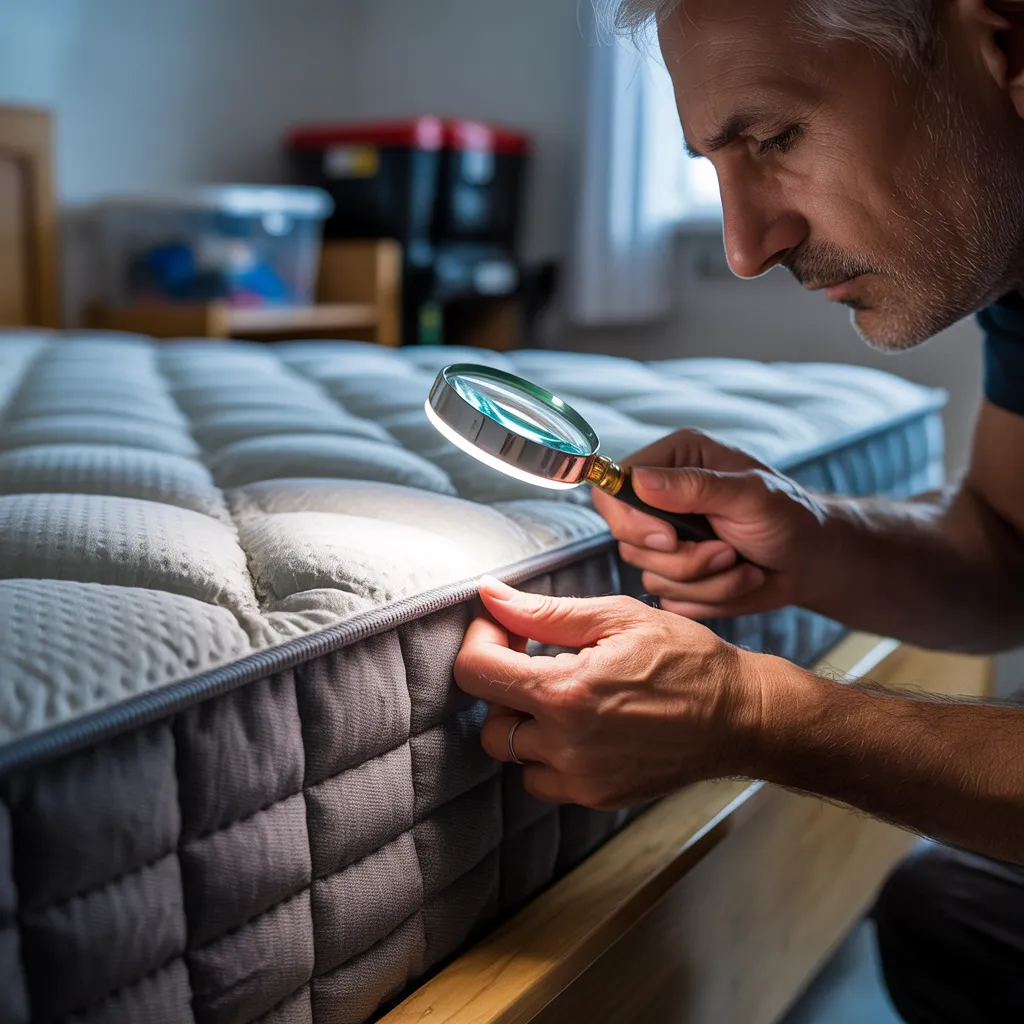
Identifying Bed Bugs: Common Signs and Symptoms to Watch For
What are the signs of the presence of bed bugs in their home? Detecting these insects can be challenging but essential for early intervention. Typical indicators involve small, reddish-brown insects, often resembling apple seeds, hiding in crevices or seams of bedding and upholstery. Their droppings manifest as minuscule black dots on linens or nearby surfaces. Moreover, molted skins are often located, suggesting an expanding colony.
Skin bites, often in clusters or lines, can suggest bed bug infestation, leading to discomfort and itching. Such bites usually happen at night when the insects are at their most active. A distinct musty scent may also come from heavily affected areas, resulting from the insects' scent glands. By being vigilant for these signs, you can successfully detect a bed bug infestation and take appropriate action to address the issue.
Essential Prevention Techniques for Bed Bug Infestations
Proven prevention techniques for bed bug infestations are important for preserving a pest-free residential environment. Regular inspection of sleeping areas, including mattresses and box springs, can help identify signs of bed bugs early. Keeping clutter to a minimum reduces hiding spots for these pests. While away from home, travelers should thoroughly check hotel rooms and store luggage on elevated surfaces, ideally on luggage racks. Washing and drying bedding and clothing on high heat can eliminate any potential bed bugs. Filling in cracks and narrow view resource spaces in walls and furniture can additionally discourage infestations. Additionally, using protective covers on mattresses and pillows can prevent bed bugs from entering. Teaching all residents of a home about bed bug identification and their warning signs is necessary to secure immediate action should an infestation be discovered. By adopting these effective methods, people can substantially minimize the chances of bed bug incidents in their living spaces.
Top Products for Bed Bug Prevention
An effective approach to bed bug prevention involves utilizing a variety of specialized products developed to repel these insects. One effective option is bed bug mattress encasements, which create a barrier that prevents bed bugs from accessing or exiting mattresses and box springs. Furthermore, interceptor traps can be positioned beneath furniture legs to catch bugs when they try to climb.
Purpose-formulated insecticide sprays targeting bed bugs are also vital, providing a straightforward approach to eradicate any current infestations. Moreover, diatomaceous earth, a natural powder, can be applied in cracks and crevices to dehydrate and kill bed bugs upon contact. Essential oils, including tea tree oil and lavender, can act as natural deterrents, even though their efficacy may not be consistent. Regular use of these products, in combination with proactive monitoring, greatly enhances one's ability to prevent a bed bug infestation.
Bed Bug Management: Hiring a Pro vs. DIY Solutions?
When thinking about bed bug treatment, one might wonder whether to enlist professional services or tackle the issue through DIY methods. Professional pest control services frequently offer a comprehensive solution, utilizing specialized equipment and expertise to accurately detect and eradicate bed bugs. They typically offer guarantees and follow-up treatments, making certain that all infestations are fully resolved.
In contrast, DIY methods can be attractive for those in search of economical alternatives. Households may utilize a variety of approaches, such as heat-based remedies, steam-based cleaning, and the utilization of store-bought pesticides. Nevertheless, these approaches necessitate dedication and a thorough knowledge of bed bug habits and patterns to be efficient.
At the end of the day, the determination between professional services and do-it-yourself methods depends on the extent of the infestation, financial limitations, and the homeowner's readiness to dedicate time and energy. Weighing the pros and cons of each option is essential for achieving successful bed bug control.
How to Determine the Effectiveness of Your Bed Bug Treatment
How can one truly determine if their bed bug treatment has been successful? Evaluating the effectiveness of bed bug treatment involves several key steps. As a starting point, observing for the presence of live bed bugs is absolutely necessary. Once treatment has been completed, people should consistently check their sleeping areas for evidence including shed skins, eggs, or waste matter. Employing bed bug detection methods, such as specially designed traps or canine inspection services, can supply added assurance of the treatment's success.
Moreover, it is critical to monitor reported bite incidents. A decrease in reported bites may be a sign of a successful extermination effort. Furthermore, the duration of surveillance should extend a few weeks post-treatment, as eggs can require time before hatching.
Ultimately, recording findings is a critical component. Keeping a log of inspections and treatments helps track progress and informs future actions. If signs persist after multiple treatments, consulting a pest control professional may be necessary to re-evaluate the strategy.
Commonly Asked Questions
What Is the Typical Lifespan of Bed Bugs Without a Meal?
Bed bugs can commonly go without feeding for a period of two to six months, according to the conditions of their environment. In cooler temperatures, their metabolism slows, allowing for extended survival periods without access to a blood meal.
Can Bed Bugs Transmit Diseases to Humans?
Bed bugs are not known to transmit diseases to humans. While their bites can cause discomfort, itching, and allergic reactions, they are not recognized carriers of pathogens responsible for serious illnesses, rendering them primarily a nuisance rather than a significant health threat.
Do Bed Bugs Exclusively Inhabit Beds?
Bed bugs do not exclusively inhabit beds; they can infest various locations, including upholstered furniture, floor coverings, and tight crevices. Their ability to adapt helps them endure in many different environments, often hiding close to human hosts.
What Actions Should I Take When Traveling After a Bed Bug Infestation?
After a bed bug infestation, it is important to thoroughly inspect bags and garments, launder belongings in hot water, and utilize protective bag covers. Do not set belongings on hotel beds until confirmed bed bug-free.
How Can I Prevent Bed Bugs From Hitching a Ride on Luggage?
To keep bed bugs from hitchhiking on luggage, travelers should inspect their bags before packing, employ protective luggage covers, avoid placing luggage on the floor, and never place bags on hotel beds or upholstered furniture.